
THE SILVER TIP TEA

Regenerative Agriculture on Tea

Cultivating resilience, restoring soil vitality, and securing the future of high-quality specialty tea production through nature-based farming systems.

The State of Tea Lands

Traditional intensive monoculture tea farming faces mounting ecological and economic threats.

Shifting Paradigms in Tea Farming

Conventional Monoculture

Heavy synthetic fertilizers and chemical pesticides erode the soil biome. Continuous tilling breaks soil aggregation, causing major nutrient depletion, severe erosion during monsoons, and high external input reliance.

The Silver Tip Approach

Focuses on reviving living soil health, eliminating chemical inputs, increasing biodiversity through companion shade trees, and retaining prunings to foster closed nutrient loops and climate resilience.

Core Principles of Regenerative Tea

✓
No Tillage Preserves delicate underground fungal networks and prevents carbon loss.
✓
Living Soil Protection Keeps topsoil covered with organic mulches and cover crops.
✓
Biodiversity Integration Planting native shade trees and avoiding sterile monocultures.
✓
Nutrient Recycling Leaving tea prunings on the ground to naturally nourish roots.
Regenerative tea landscape

Revitalizing the Soil Biome

At The Silver Tip Tea, we believe great tea begins underground. By avoiding synthetic chemicals and incorporating rich compost infusions, our partner estates cultivate vibrant microbial communities.

Microbial richness accelerates nutrient cycling, resulting in hardier Camellia sinensis bushes that naturally develop deeper flavor profiles and exceptional aroma.
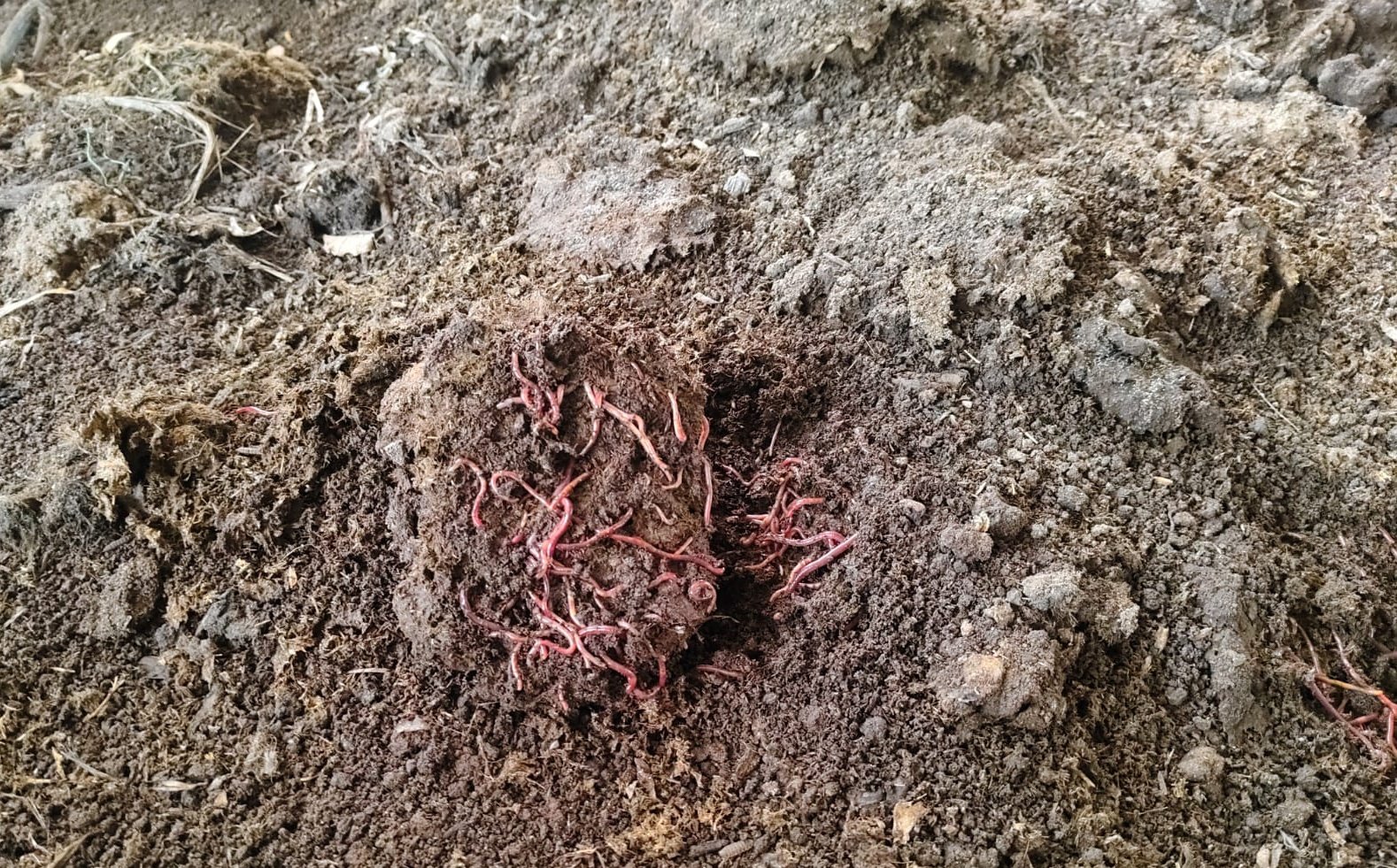

Living soil, earthworms and plant roots

Above-Ground Biodiversity

🌲

Shade Trees

Integrating native canopy trees regulates microclimates, protects delicate tea bushes from scorching sun, and minimizes weather stress.

🌱

Cover Cropping

Planting multi-species cover crops between rows fixes atmospheric nitrogen, suppresses weeds, and improves moisture retention.

🪶

Fauna Habitats

Diverse plantings create thriving corridors for beneficial insects, pollinators, and birds, forming a balanced natural pest-control ecosystem.

Climate Resilience & Water Retention

Climate change brings erratic monsoon patterns, increasing risks of severe flooding, landslides on sloping tea hills, and extended droughts.

Regenerative practices improve soil aggregation, transforming the earth into a sponge that absorbs heavy rainfall, reduces surface runoff, and prevents topsoil loss.

During dry spells, this stored soil moisture sustains the tea bushes naturally, reducing the need for intensive artificial irrigation.

Tea workers harvesting on a mountain tea estate

Agroforestry in Action

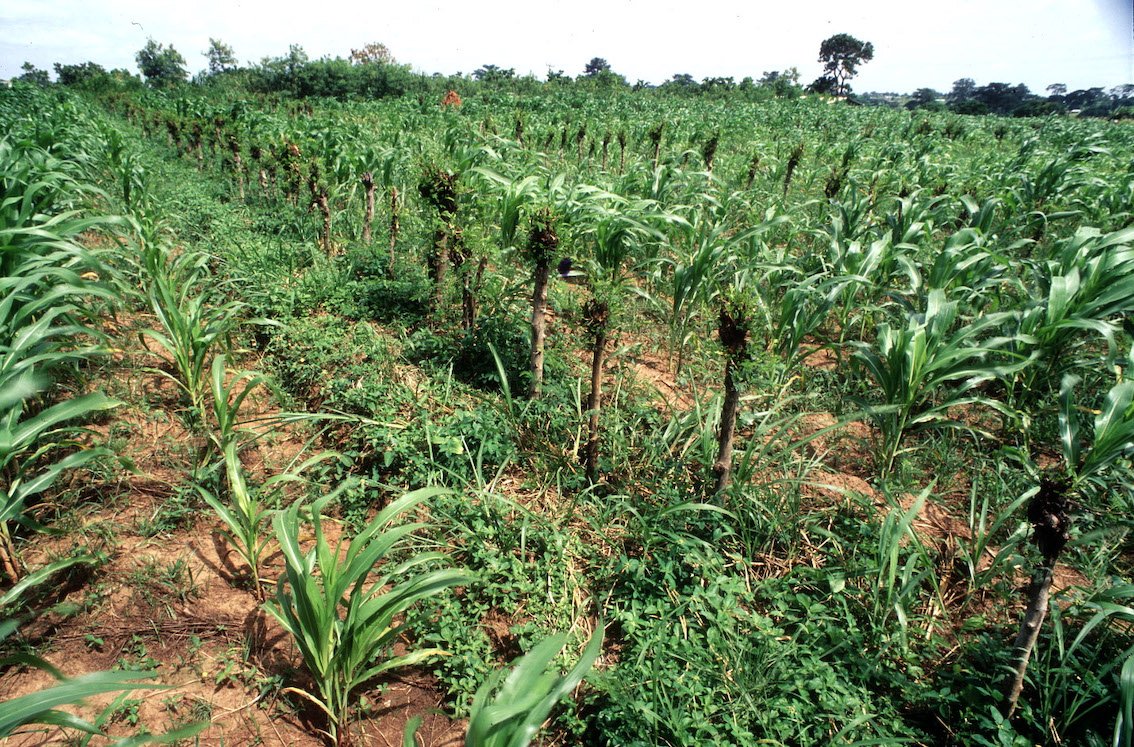
Moving away from strict colonial-era monoculture layouts, modern regenerative tea estates curated by The Silver Tip Tea embrace multi-layered forest integration.

Interspersing tea bushes with fruit trees, nitrogen-fixers, and local flora captures carbon above ground while securing rich ecological harmony.

Regenerative agroforestry

Measurable Environmental Impact

Adopting regenerative methods significantly enhances overall soil structure, reduces input expenses, and fosters robust biodiversity across tea landscapes.

Soil Organic Matter
+85%
Water Retention Capacity
+70%
Chemical Input Costs
−60%
Beneficial Insect Species
+90%

From Soil to Sip: Quality Benefits

Farming Dimension Conventional Farming Regenerative (The Silver Tip Tea)
Soil Vitality Sterile, depleted, chemically dependent Alive, microbially rich, self-sustaining
Plant Health Vulnerable to pests, requires constant spraying Resilient, deep-rooted, naturally robust
Cup Quality & Flavor Standardized, uniform flavor profile Complex, nuanced terroir expression
Long-term Viability Declining yields and soil degradation Generational sustainability and carbon drawdown

Economic Stability & Farmer Welfare

Regenerative tea farming is not only about ecology; it is deeply rooted in human communities and rural economics.

By slashing reliance on expensive imported synthetic fertilizers and chemical pesticides by up to 60%, smallholder tea farmers dramatically lower operational overheads.

The Silver Tip Tea certifies that partnering farms ensure fair wages, safe working conditions, and long-term economic security for generations of tea growers.

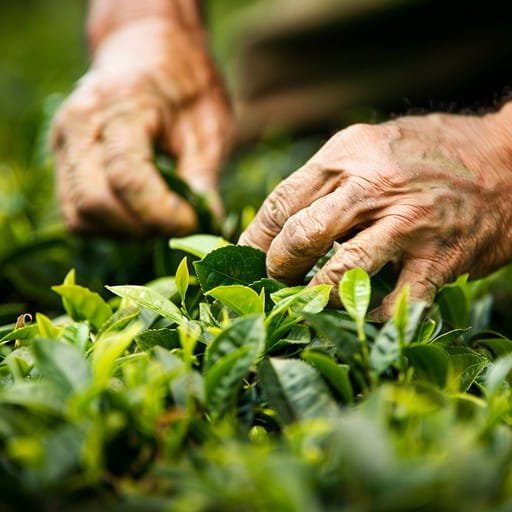
Tea worker harvesting fresh tea leaves

Questions?

Thank you for exploring regenerative agriculture with The Silver Tip Tea.